

The Future of Music Production: How Technology Is Changing the Game
The digital age has fundamentally transformed the way we consume and interact with music. Streaming services like Spotify, Apple Music, and Tidal have redefined music distribution, replacing physical sales and digital downloads with an on-demand streaming model. But beyond just how we listen, streaming is also having a profound impact on the way music is produced.
As we dive into the rapidly evolving world of music production, it's impossible to ignore how technology has shifted the entire landscape. What was once a world dominated by analog equipment and live instruments is now a digital playground where artificial intelligence (AI), virtual reality (VR), Dolby Atmos, and streaming services are redefining what music is—and what it could become. As these tools become more accessible, they raise questions that challenge traditional notions of creativity, artistry, and the very nature of music itself.
Technology isn’t just a tool anymore; it’s becoming the architect of music creation. But this revolution comes with its own set of challenges, uncertainties, and exciting possibilities. Let’s dive deep into how these innovations are shaping the future of music production, and explore some of the controversial and thought-provoking ideas they spark.
AI: The New Frontier in Music Production
Artificial intelligence (AI) is perhaps the most divisive and exciting technology to hit the music production world in recent years. Tools like Amper Music, AIVA, and JukeBox AI have introduced the concept of music being created by machines. These AI platforms can generate entire tracks based on minimal human input, which begs the question: Are we moving toward a future where music is primarily created by algorithms?
Myth-Busting: One common misconception is that AI will replace the role of human creativity in music. Critics argue that by automating composition, we risk losing the heart and soul of music—something uniquely human. But is this the case? Imogen Heap, a Grammy-winning artist and technologist, shares a different perspective. “Artificial Intelligence isn’t replacing us—it’s amplifying our creativity.” Heap, a vocal proponent of using technology to enhance music-making, believes AI can free up artists to focus on the more intuitive and emotional aspects of their craft, such as melody, lyrics, and arrangement, while leaving the technical aspects to the machines.
In reality, AI tools can’t replace the creativity, passion, and intention that humans bring to the music-making process. They can, however, act as a collaborator, offering new ways of experimenting with sound and composition. Producers who embrace AI don’t see it as a competitor, but as a partner. For example, Taryn Southern, an artist who used AI to help compose her album I Am AI, worked with the AI tool Amper Music to co-create a body of work that combined the strengths of both human and machine.
But, of course, there’s a flip side. As AI continues to improve, it might make music creation more accessible, leading to an oversaturation of content. The question is: Will the flood of music created by machines dilute the artform, or will it push human artists to new heights of innovation?
Virtual Reality: An Immersive Future for Music
Beyond the digital realm of AI lies another cutting-edge technology that is revolutionizing music: Virtual Reality (VR). As the lines between the physical and digital worlds blur, VR offers a new way for musicians, producers, and listeners to engage with music. Imagine performing a live set where the audience isn’t just watching the show—they’re immersed in it, with the ability to move through the space, interact with visuals, and even manipulate sound in real time. The possibilities are endless.
Brian Eno, the renowned ambient musician and producer, has already experimented with VR in his art. He’s stated, “In VR, you’re no longer just listening to music, you’re experiencing it.” Eno's work with VR has redefined how we think about live performance. In a traditional setting, a concert is a static experience. You sit, you watch, and you listen. But in VR, the listener can move through the sound, creating a dynamic, interactive experience that puts them in the middle of the music.
Controversy: While this immersive experience sounds like a futuristic utopia, some argue that it may take away from the very essence of music. The emotional and communal aspects of live shows are deeply human experiences that are hard to replicate in a virtual world. What happens to the connection between artist and audience when VR becomes the norm? Will music become a more isolated experience, with listeners plugged into their own virtual worlds, disconnected from the human connections that live shows foster?
On the other hand, VR could expand music beyond its auditory limits, allowing musicians to engage with their audience in new, unprecedented ways. It could even allow music to transcend traditional forms and create something entirely new—a fusion of sound, sight, and interactivity that changes our perception of what music can be.
Dolby Atmos: The New Frontier of Sound
Another groundbreaking advancement in music production is Dolby Atmos, a spatial audio technology that takes stereo sound to a whole new level. Dolby Atmos allows sound to move around the listener in three-dimensional space, creating an immersive listening experience that is far more dynamic and engaging than traditional stereo or surround sound formats.
The rise of Dolby Atmos has fundamentally shifted how mixing engineers approach their craft. In the past, mixing was confined to a two-dimensional space: left, right, up, and down. But with Atmos, the sound can move around the listener, adding depth, clarity, and dimension that was previously unattainable. This gives artists and producers the ability to sculpt the sound in ways that mirror the complexity of our own auditory perception.
Take Kendrick Lamar’s album DAMN.—mixed in Dolby Atmos, it offers a level of detail and spatial awareness that draws the listener into the music. Every element is placed in its own three-dimensional space, giving each sound its own place in the sonic landscape. The bass isn’t just felt; it’s experienced as it moves around the room. The vocals are sharper, crisper, and more vivid. This isn’t just mixing—it’s an immersive auditory journey.
Theory-Creation: As more artists and producers experiment with Atmos, we might see a shift in how music is structured. Instead of thinking about the mix in terms of two-dimensional left-to-right panning, producers might start thinking of their songs as fully immersive experiences. The music could evolve in ways that we haven’t yet imagined, pushing genres into new territories. Will Atmos create a new genre of music entirely, built for 3D listening? Could we see music specifically designed to be experienced in immersive spaces, like VR environments or themed live shows?
Streaming and the Future of Music Consumption
While technological innovations are reshaping how music is made, they’re also changing how it’s consumed. Streaming services like Spotify, Apple Music, and Tidal have fundamentally altered the music industry, replacing physical media and downloads with instant access to millions of tracks. This shift has democratized music distribution, allowing anyone to share their music with the world. But it has also raised questions about the financial sustainability of the music industry.
Some argue that the convenience of streaming has devalued music, reducing it to mere background noise in a world of endless playlists and algorithm-driven recommendations. There’s also concern over the revenue model of streaming services, which often pays artists a fraction of a cent per stream. For independent musicians, this can be disheartening, as the traditional route of album sales is no longer as profitable.
However, streaming has also given rise to new forms of music discovery. It has allowed artists from all over the world to share their work, breaking down the barriers of geography and genre. Artists like Billie Eilish and Lil Nas X owe much of their success to the exposure they received through streaming platforms. In a world where music is curated by algorithms, artists now have the opportunity to reach audiences who might never have heard their music otherwise.
Controversy: While streaming has democratized music distribution, it has also contributed to the homogenization of music. As algorithms favor certain types of music, there’s a fear that diverse, niche genres may be marginalized. Will we see the rise of a more homogenized, data-driven music industry where the creativity and individuality of artists are sacrificed in favor of what “works” algorithmically?
Conclusion: Embracing the Future Without Losing the Soul
As we look to the future, it’s clear that technology will continue to play an increasingly dominant role in music production. AI, VR, Dolby Atmos, and streaming services are reshaping the way music is created, experienced, and consumed. These advancements hold immense potential, but they also spark important questions about the role of human creativity, the essence of music, and the impact of technology on the music industry.
The key challenge lies in balancing innovation with authenticity. Technology can enhance creativity, but it cannot replace the raw, emotional power that music holds. As producers, artists, and engineers, it’s our responsibility to harness these tools while staying true to the spirit of music—a spirit that has always been about connecting people through sound, emotion, and shared experience.
The future of music production is limitless. But as we embrace the new, we must also remember what made music great in the first place: the human touch. Music will evolve, but it will always be about storytelling, connection, and expression. Let’s embrace technology, but never lose sight of what makes music truly timeless.
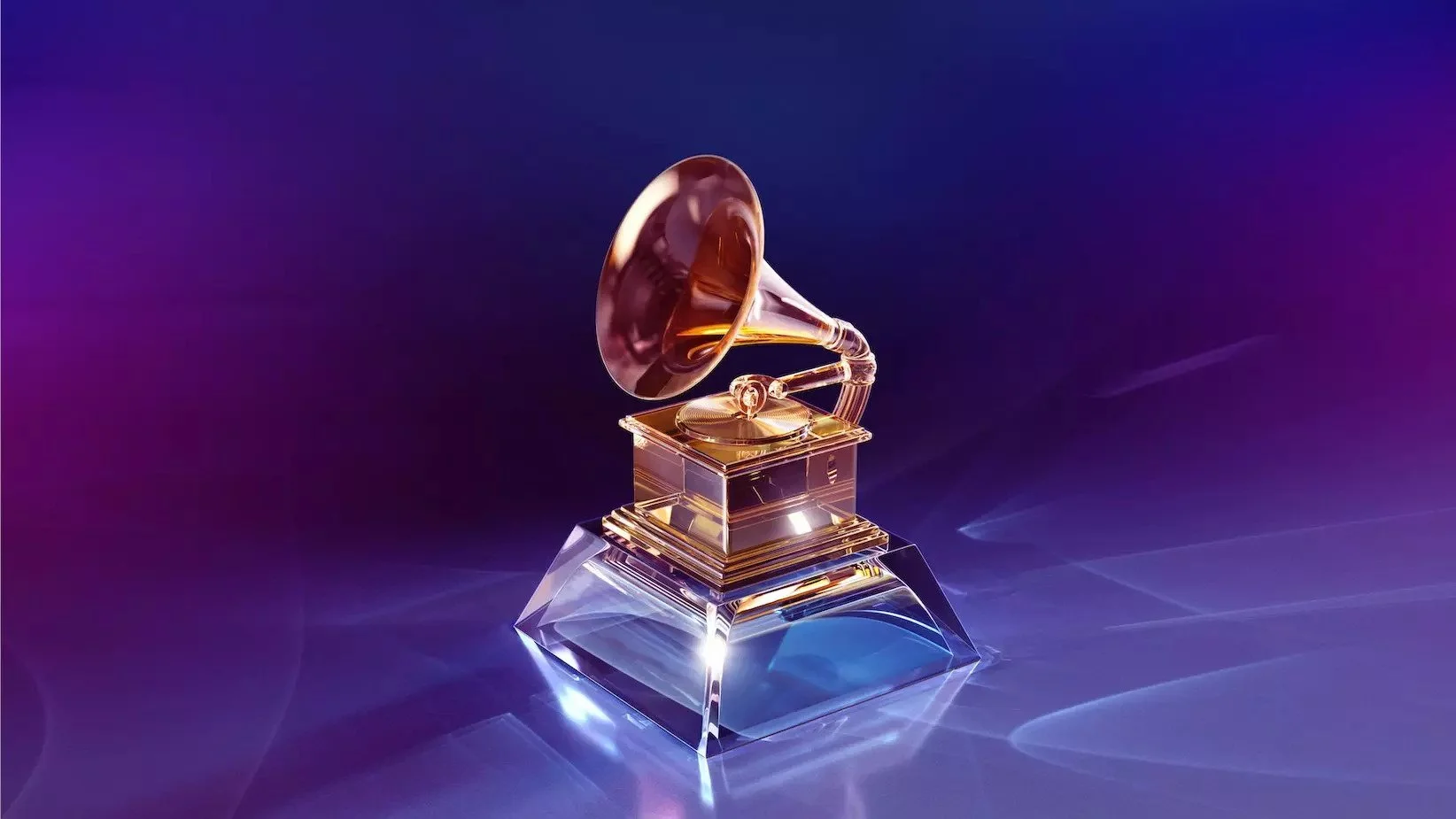
The Art and Science of Mixing: Why Every Track Needs a Master
Mixing is the heart of music production—where technical skill meets creative intuition. It’s not just about adjusting levels and balancing frequencies; it’s about shaping the emotional journey of a song. As Grammy-winning engineer Manny Marroquin says, "Mixing is about bringing out the soul of the song." At Palm Beach Records, we understand that every track has a story to tell, and it’s our job to make sure that story is heard in its fullest, most impactful form.
With advancements in technology like Dolby Atmos, mixing is evolving beyond traditional stereo into an immersive, three-dimensional sound experience. Tom Elmhirst, another Grammy-winning engineer, shares, “Atmos is the future. It allows you to create space and depth in a song that wasn’t possible before.” Whether it’s the subtle nuances of a vocal or the deep punch of a bassline, every element in the mix should be thoughtfully placed to elevate the track.
Mixing is more than technical—it’s an art form. At Palm Beach Records, we work tirelessly to capture the heart of every song, ensuring it resonates with listeners, whether it’s through the radio or in their headphones. This is the magic of mixing—a craft that takes raw sounds and transforms them into an unforgettable auditory experience.
Mixing is the bridge between raw recordings and polished, professional sound. It’s not just about adjusting volumes; it’s about crafting the emotional journey of a song. In this article, Rek dives into the art and science of mixing, sharing how it shapes the way we experience music.
Why Every Track Needs a Master
Mixing is where the magic happens—where individual tracks are brought together to form something greater than the sum of their parts. It’s a balance of technical precision and emotional depth. As Grammy-winning mixing engineer Manny Marroquin (who’s worked with Kanye West, Alicia Keys, and John Legend) says, “Mixing is about bringing out the soul of the song.” It’s about knowing which elements to highlight and how to position them in a sonic landscape.
The Dolby Atmos revolution is pushing mixing to new heights, allowing for immersive sound experiences. As Grammy-winning engineer Tom Elmhirst, who’s mixed for Adele and Amy Winehouse, puts it: "Atmos is the future. It allows you to play with sound in ways that create space, add movement, and make every song feel alive." The ability to mix in 3D space creates an experience that can feel as if the music surrounds you, and it’s something we’re actively integrating into our projects at Palm Beach Records.